Best Front-Facing Baby Carriers of 2026: When Can Baby Face Forward?
Best Front-Facing Baby Carriers of 2026: When Can Baby Face Forward? By Cassidy Eisenfeld, certified babywearing educator Some babies reach
|
Grab my weekly email, product spotlight, babywearing tip of the week and top carrier recommendations!
|
I definitely didn’t start wearing barefoot shoes because I thought they were cute. 😂 In fact, I thought they were pretty ugly at first, and for years I was convinced they were something I couldn’t wear anyway because I needed more support, not less.
I had struggled with my feet, knees, and hips for pretty much my entire life and thought it was normal to just ache and be in significant pain ALL THE TIME. I literally started wearing arch supports in my shoes in the fourth grade because my feet and knees hurt so badly, and at the time, that was what they thought I needed.
For years after that, I assumed my feet just couldn’t handle shoes without added support. Every time I tried wearing sandals without arch support, my arches would collapse and my feet would hurt, which seemed like pretty solid confirmation that barefoot shoes were absolutely not for me.
Except, eventually, I tried them anyway.
I didn’t jump straight into something as minimal as Wildling. I started with a thicker, more structured barefoot-style shoe and gradually worked my way into more minimal options, and there was definitely some discomfort in that process. I became much more aware of where I was putting my feet and how I was walking, but over the following months, my feet actually started feeling stronger and I noticed a pretty significant decrease in the discomfort I had always had in my feet, knees, and hips.
Even my back started doing better.
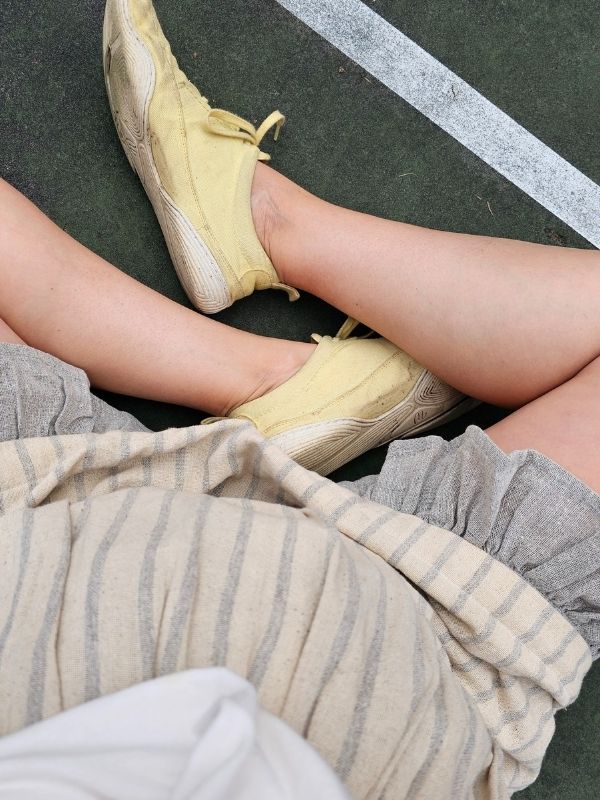
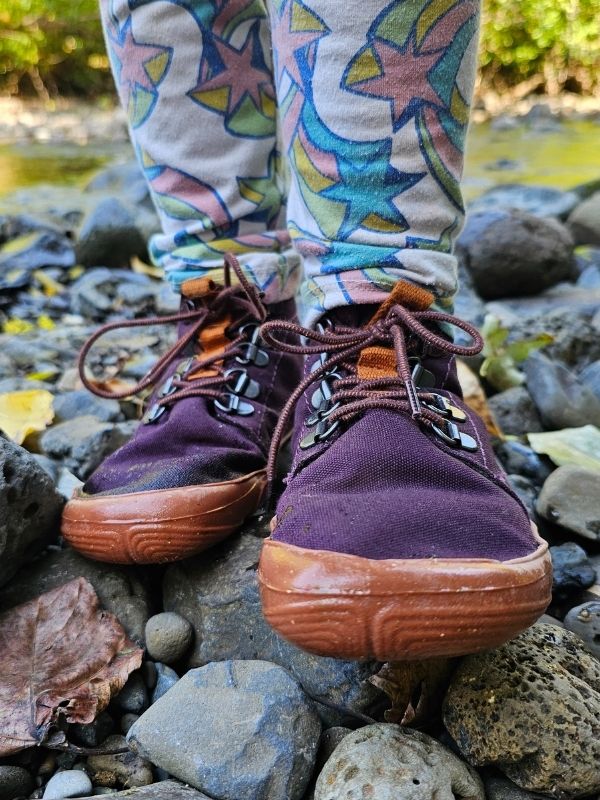
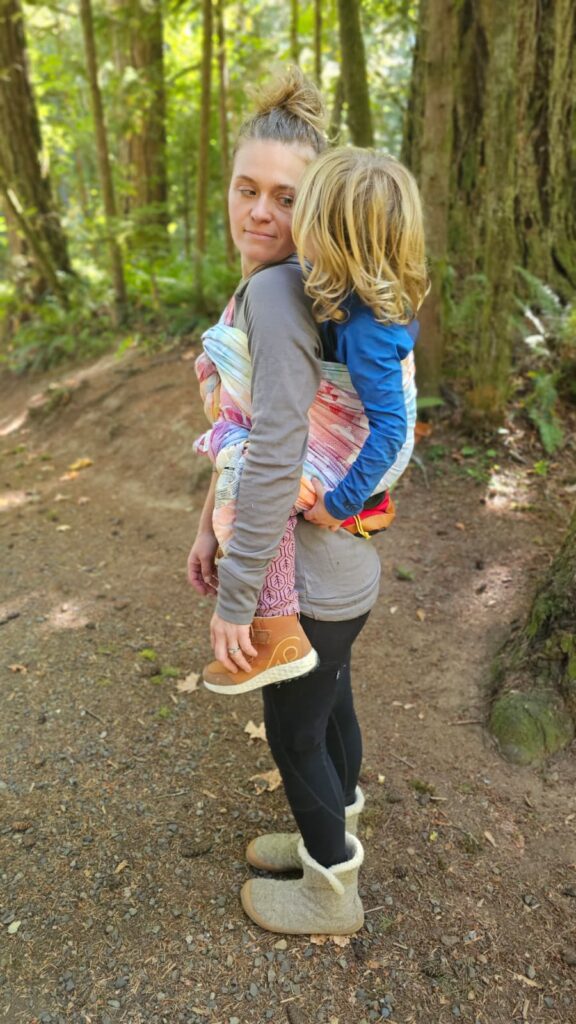
Now I’ve been wearing minimalist or barefoot shoes for a few years, and Wildling has become one of the brands I wear the most. I hike in them, wear them while carrying my kids, throw them on for everyday life, and my kids wear them constantly too. We’ve had lightweight summer Wildlings, winter shoes, rain boots, everyday shoes, and slippers, and I still have the very first pair I got years ago.
So this isn’t really a “I wore these around for a few weeks and here are my thoughts” type of review. I’ve worn Wildlings for years at this point (as have my kids- from first steps to big kid years), in a lot of different styles and in a lot of different situations, and there are things I absolutely love about them along with a few things I think are really important to know before buying them.
Wildling wasn’t actually my first barefoot shoe, and I’m kind of glad it wasn’t because some of their shoes are really minimal.
Once my feet had adjusted to barefoot-style shoes, though, that became exactly what I loved about them.
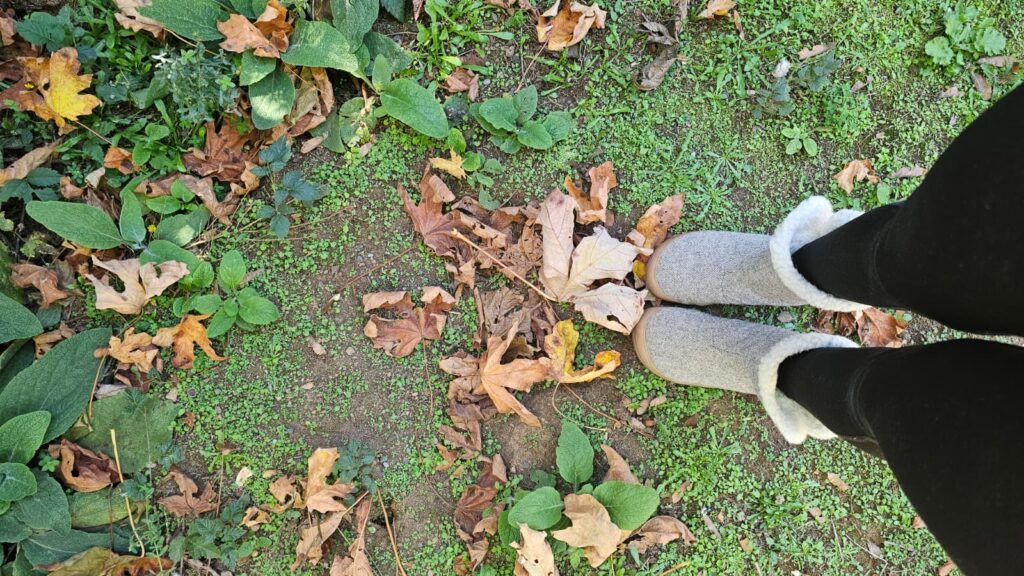
Wildlings are incredibly flexible and lightweight, and depending on the style, there can be very little between your foot and the ground. Their classic Gap Sole is only around 2 to 3.5 mm thick, although Wildling now has several different sole constructions, so there’s quite a bit more variation between their shoes than there used to be.
What I notice most when I put them back on after wearing another shoe is just how much my feet can move. My toes aren’t being pushed together into a narrow, pointed toe box, the sole bends with my foot, and I can actually feel what’s underneath me instead of having a thick layer of foam separating my foot from the ground.
That amount of ground feel definitely isn’t going to appeal to everyone, but I’ve gotten to the point where I really prefer it.
Which is kind of funny because I used to look at barefoot shoes and think they looked SO weird. Now I look at most conventional shoes and wonder why we decided our feet should be shaped like that. They just look so pinchy and pointy to me now.
This is probably one of the things I get the most pushback on because there’s still such a strong idea that if you’re hiking, especially if you’re carrying a lot of weight or going over rough terrain, you need a really sturdy and structured hiking boot.
I used to think the exact same thing!
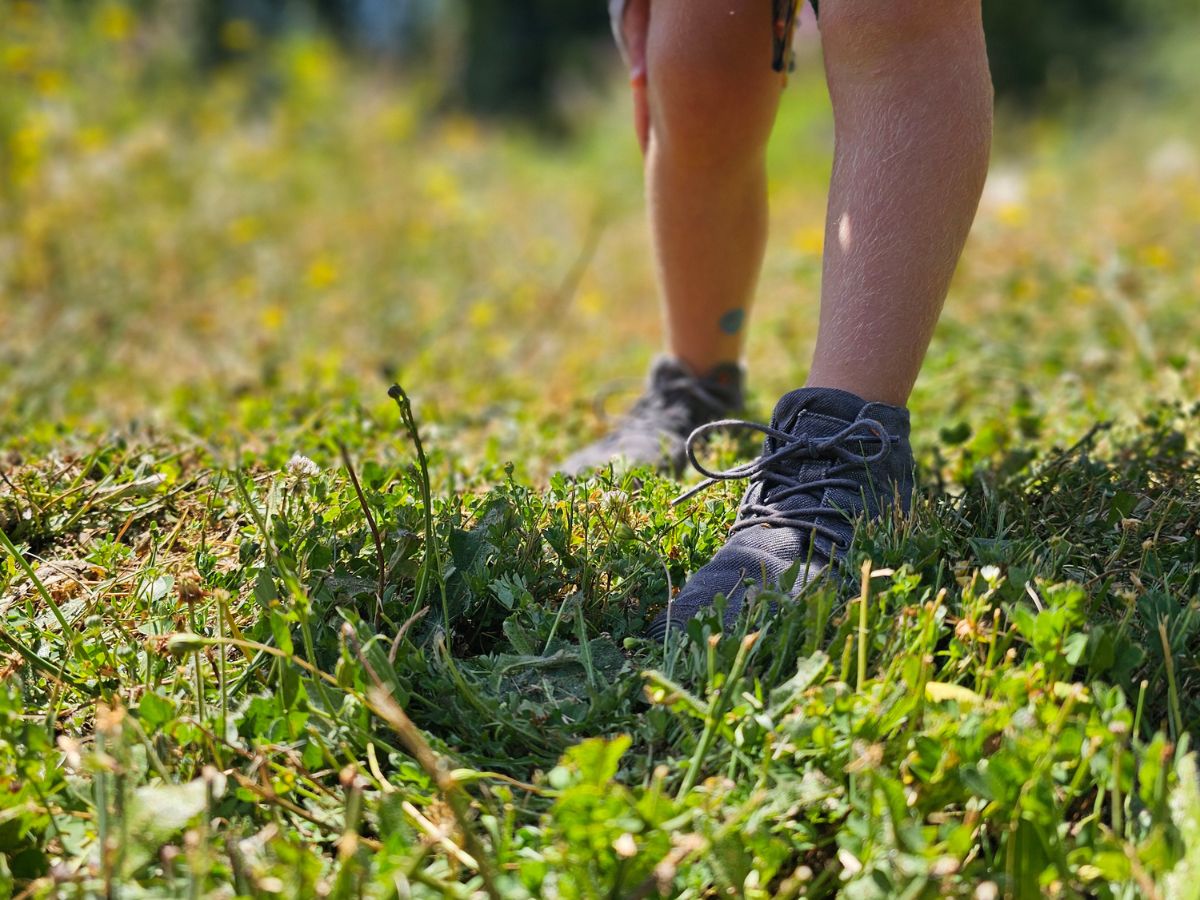
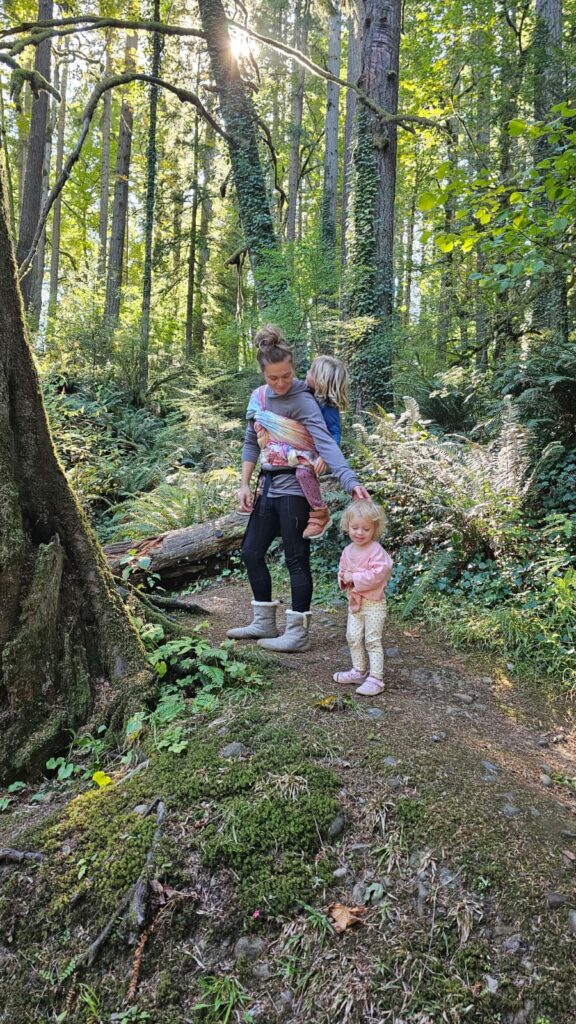
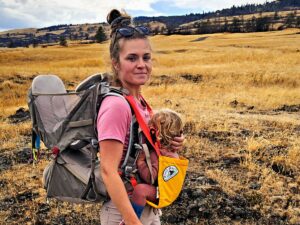
At this point, though, I’ve hiked some pretty long distances in Wildlings, including in some of their most minimal styles, and I’ve worn them over plenty of rough terrain while also carrying 60 to 80+ pounds between a child, carrier, water, gear, and everything else that somehow ends up coming with us when I hike with my kids.
For me, being able to feel what’s underneath my feet has actually become something I really like because I’m much more aware of where I’m stepping and how I’m placing my foot. I don’t feel like I need a huge, rigid boot between my foot and the trail simply because I’m carrying weight.
That also doesn’t mean I wear my thinnest Wildlings for every single hike.
I have a couple of barefoot-style shoes with somewhat thicker soles and a little more protection around the ankle, and I’ll usually reach for those if I know we’re going somewhere particularly rocky and I’m going to be carrying a lot of weight. I like protecting my ankles a little more in that scenario, and I think that’s an important part of the conversation because wearing barefoot shoes doesn’t have to mean choosing the absolute thinnest, least protective shoe possible for every activity.
There’s room for nuance here. Terrain matters, how much weight I’m carrying matters, weather matters, and what my body feels comfortable doing matters.
Since most of you are here for my babywearing recommendations, check out my favorite options for carrying kiddos on hikes (and why) HERE.
This is probably one of the biggest things I would tell someone who is looking at Wildling because they want to try barefoot shoes for the first time.
I personally would not go from years of wearing highly cushioned, structured shoes with significant arch support to one of Wildling’s thinnest shoes and then immediately wear them for an eight-mile hike.
My feet had time to adjust before I got to that point.
When I first switched to barefoot shoes, I started with a thicker, more structured option and gradually moved toward thinner and more flexible shoes as my feet adjusted. There was some discomfort during that process, and I had to build up muscles that clearly weren’t used to doing as much work.
There is research suggesting minimalist footwear can increase foot muscle strength and size, but I also want to be really careful here because my experience is my experience. Barefoot shoes aren’t a treatment for foot, knee, hip, or back pain, and the fact that my discomfort improved significantly after switching doesn’t mean everyone is going to have the same result.
If you’ve worn supportive shoes for decades, I think it makes a lot more sense to give your body time to adjust than to treat barefoot shoes like something you have to transition into overnight.
As much as I love Wildling, there are definitely some tradeoffs that come with making a shoe this flexible and minimal.
The first is pretty obvious: you can feel the ground.
And sometimes the ground is pointy.
I like having that ground feel when I’m hiking, but if your idea of a great hiking shoe is something that makes every rock and root disappear underneath your feet, all Wildling styles are probably going to feel incredibly thin.
Weather resistance also varies quite a bit depending on the model, especially now that Wildling has expanded into more sole and material options- honestly I’m SO excited about that! They have options that are more weatherproof now, but they also have ones like the lightweight Tanuki which is designed for a completely different purpose than one of their rain or winter options.
And then there’s the appearance, because I know someone is going to say it.
Yes, they look like barefoot shoes.
I used to think barefoot shoes were ugly too, so I’m not offended if you look at mine and think they’re weird. Somewhere along the way my brain completely flipped, and now traditional shoes are the ones that look strange to me.
All four of my kids, from two through eight, have worn Wildlings and loved them. They consistently say they are the most comfortable shoes they own. They like the velcro for ease. They like the brighter colors that Wildling has started releasing. They wear them to Forest School, to play, and on everyday outings.
My husband owns a pair too. He has not fully switched to barefoot shoes, mostly because he is emotionally attached to one pair of shoes he has worn for over a decade and because the Wildling sole is so thin that sometimes he steps on the back of his pant leg since there is no thick heel to take up that extra length. But every time he wears them, he comments on how comfortable they are.
I am playing the long game.
Years into wearing barefoot shoes, Wildling is still one of the brands I reach for the most because they give me the balance I want between protecting my feet and still letting them move and feel what’s underneath me.
They’ve come with me on long hikes, through rain and mud, while carrying kids, and through regular everyday life. Depending on the style, I can get the warmth or weather protection I need without giving up the flexibility and ground feel that made me fall in love with barefoot shoes in the first place.
I definitely never expected the shoes I once thought looked a little weird to become the ones that feel the most normal to me, but here we are. Years later, I’m still wearing them, my kids are still wearing them, and they’re still one of the first brands I look at when we need new shoes.
If you decide to try Wildling, shopping through my link gets you free shipping to the US and directly supports the work I do here at no additional cost to you. I’m always incredibly grateful when you choose to use my links.

Best Front-Facing Baby Carriers of 2026: When Can Baby Face Forward? By Cassidy Eisenfeld, certified babywearing educator Some babies reach

Apron vs Waterfall Baby Carriers: What’s the Difference? If you’ve started comparing buckle baby carriers, you may have come across
Buckle Carrier vs. Hiking Backpack: Which Is Better for Hiking With a Baby or Toddler? If you’re planning to hike
No matching results found